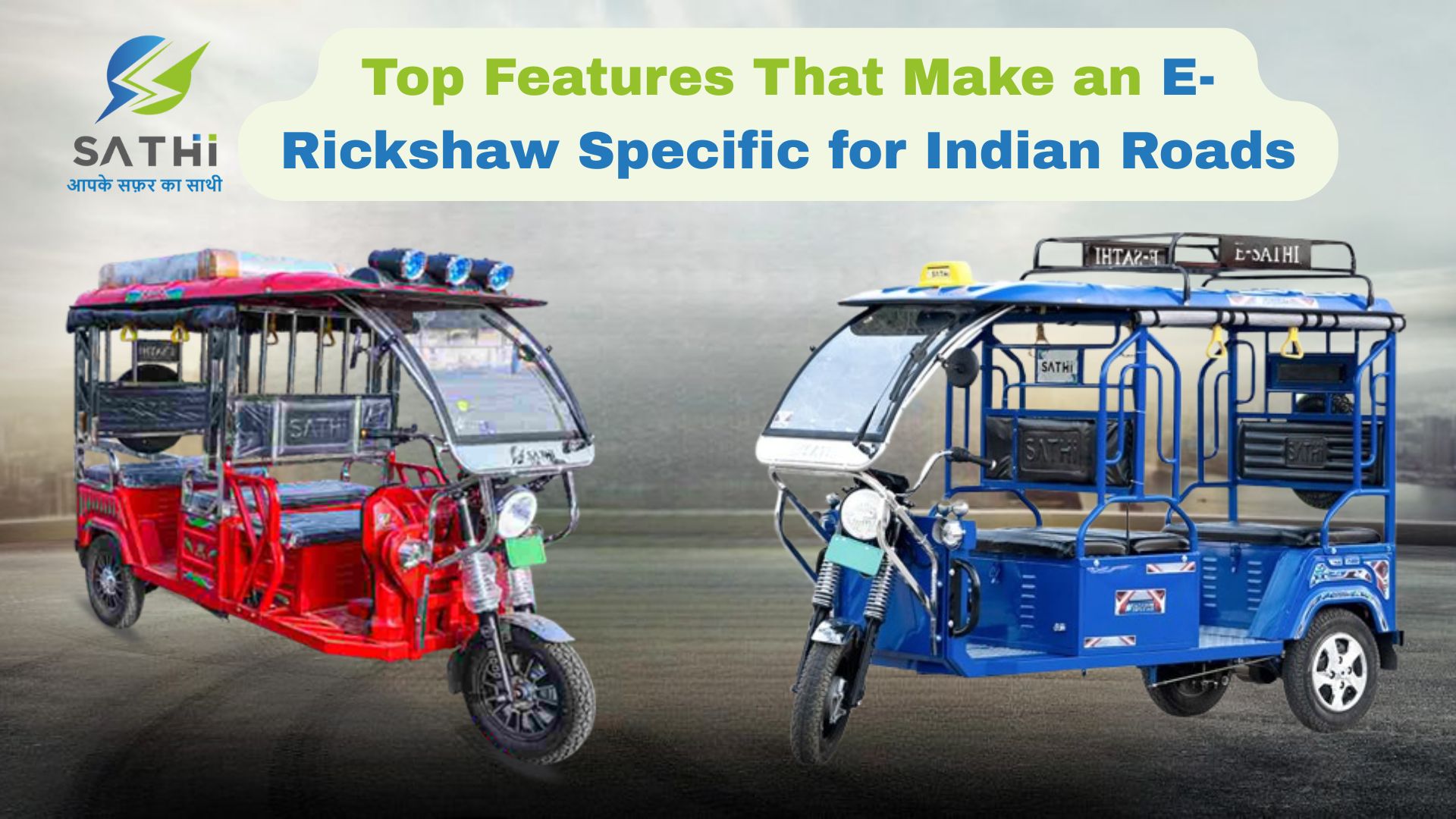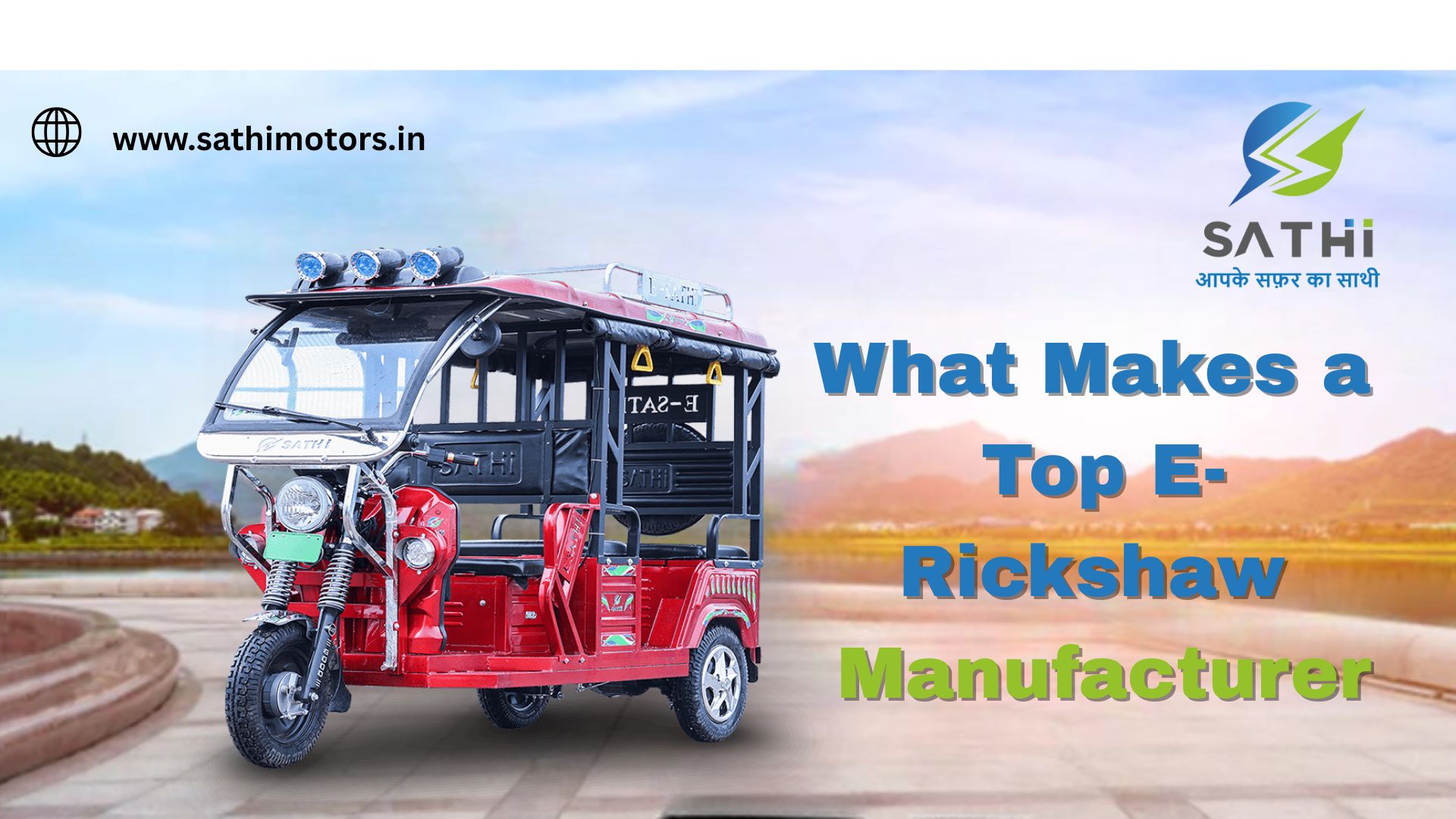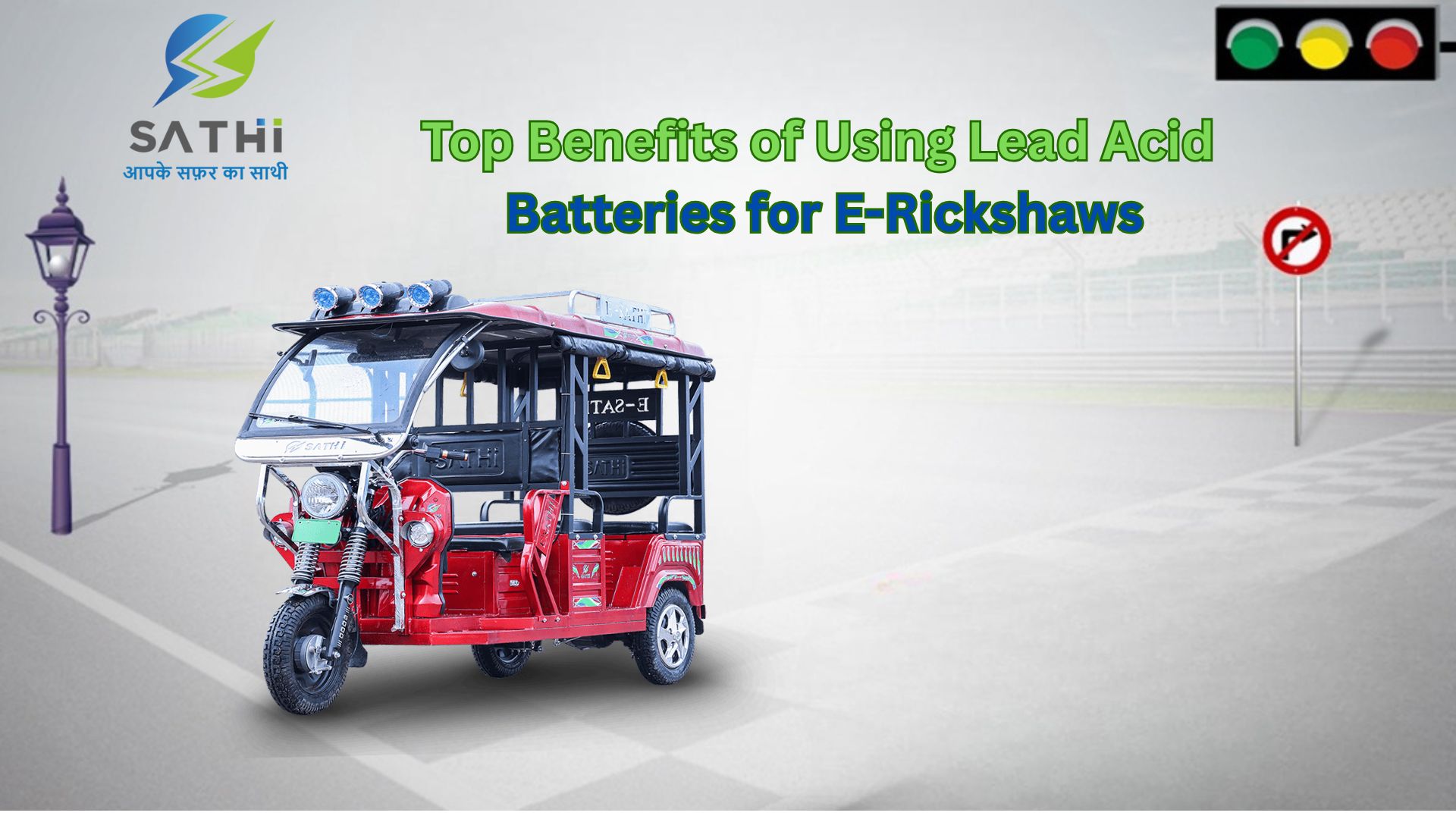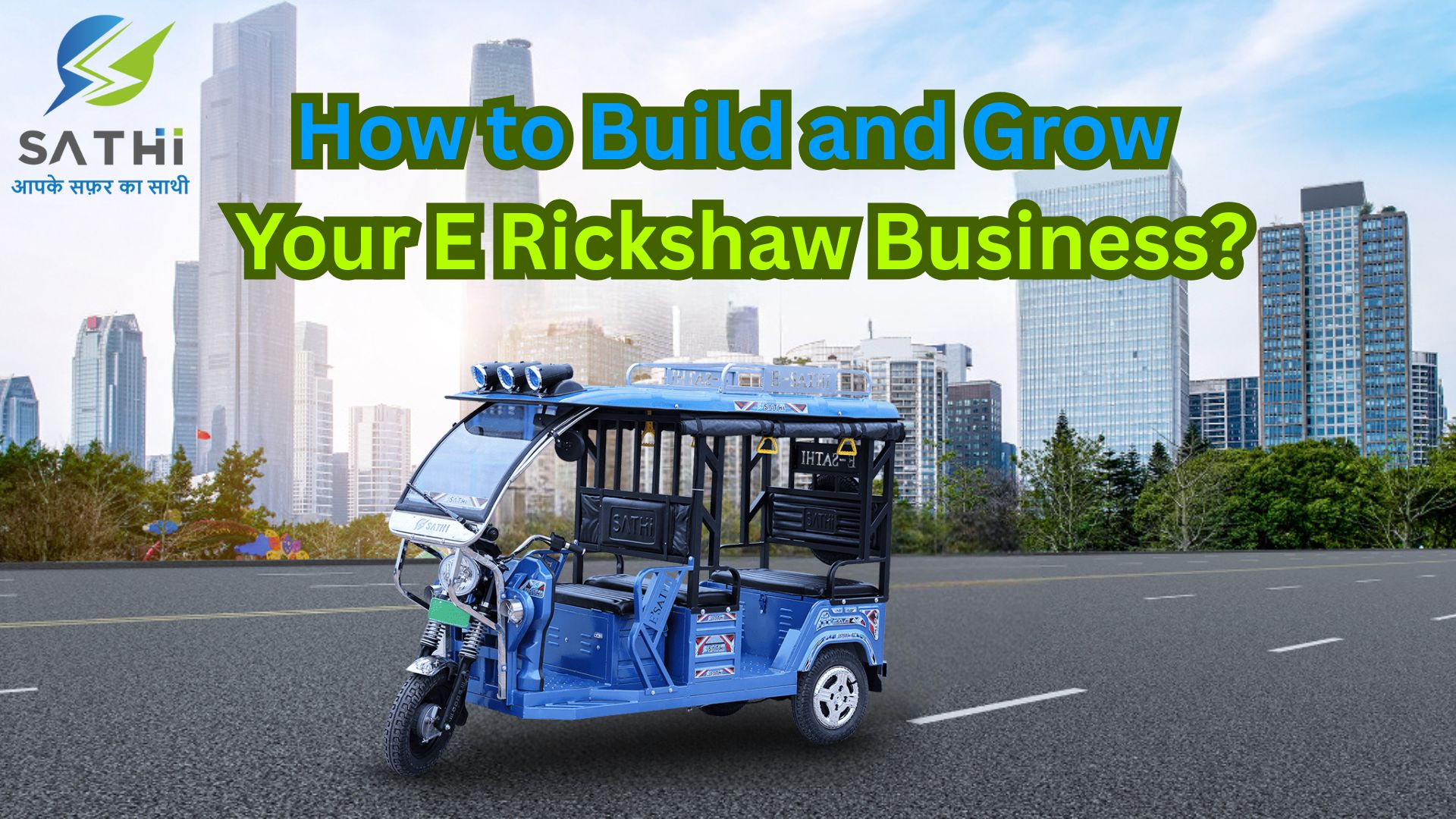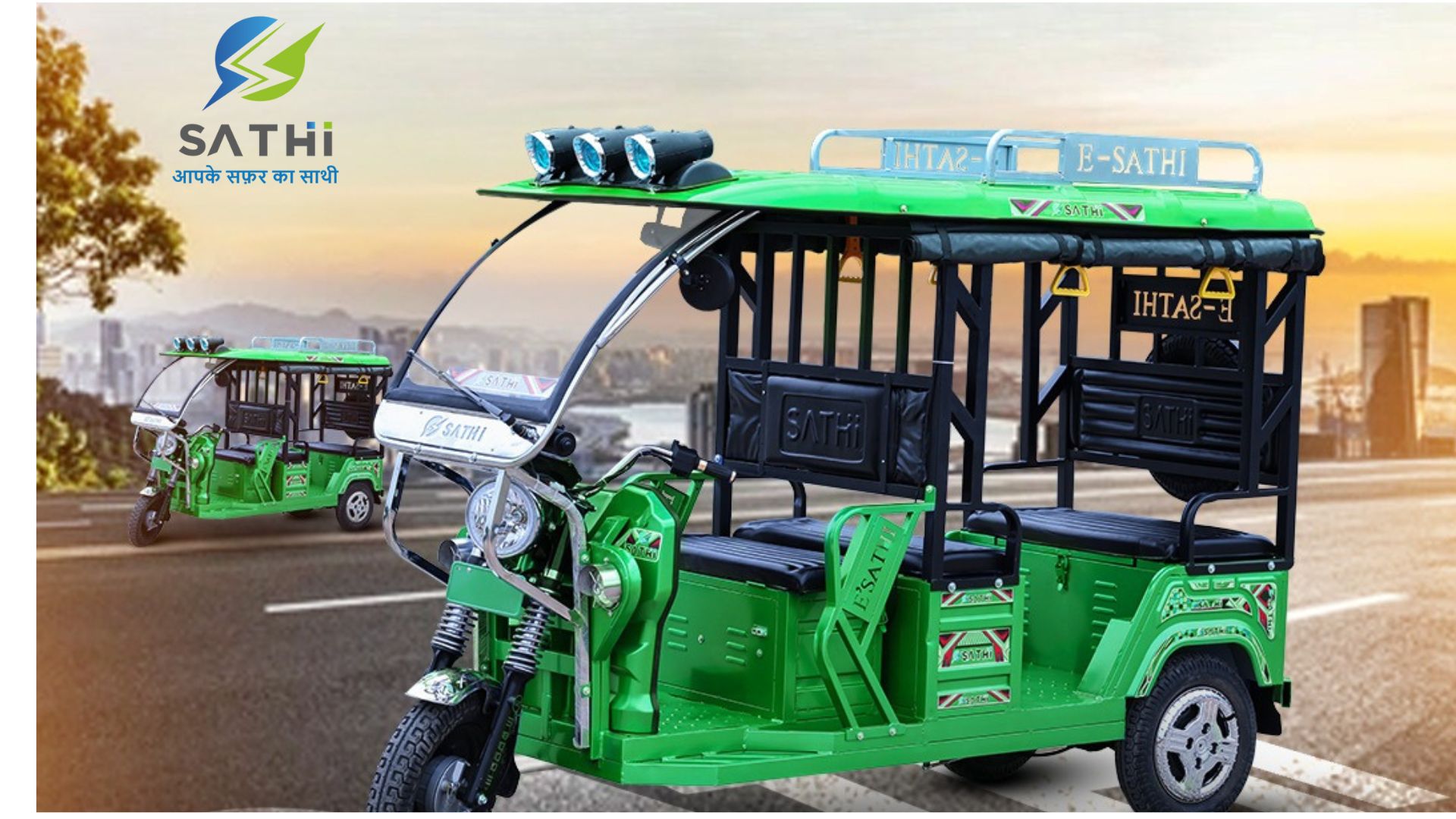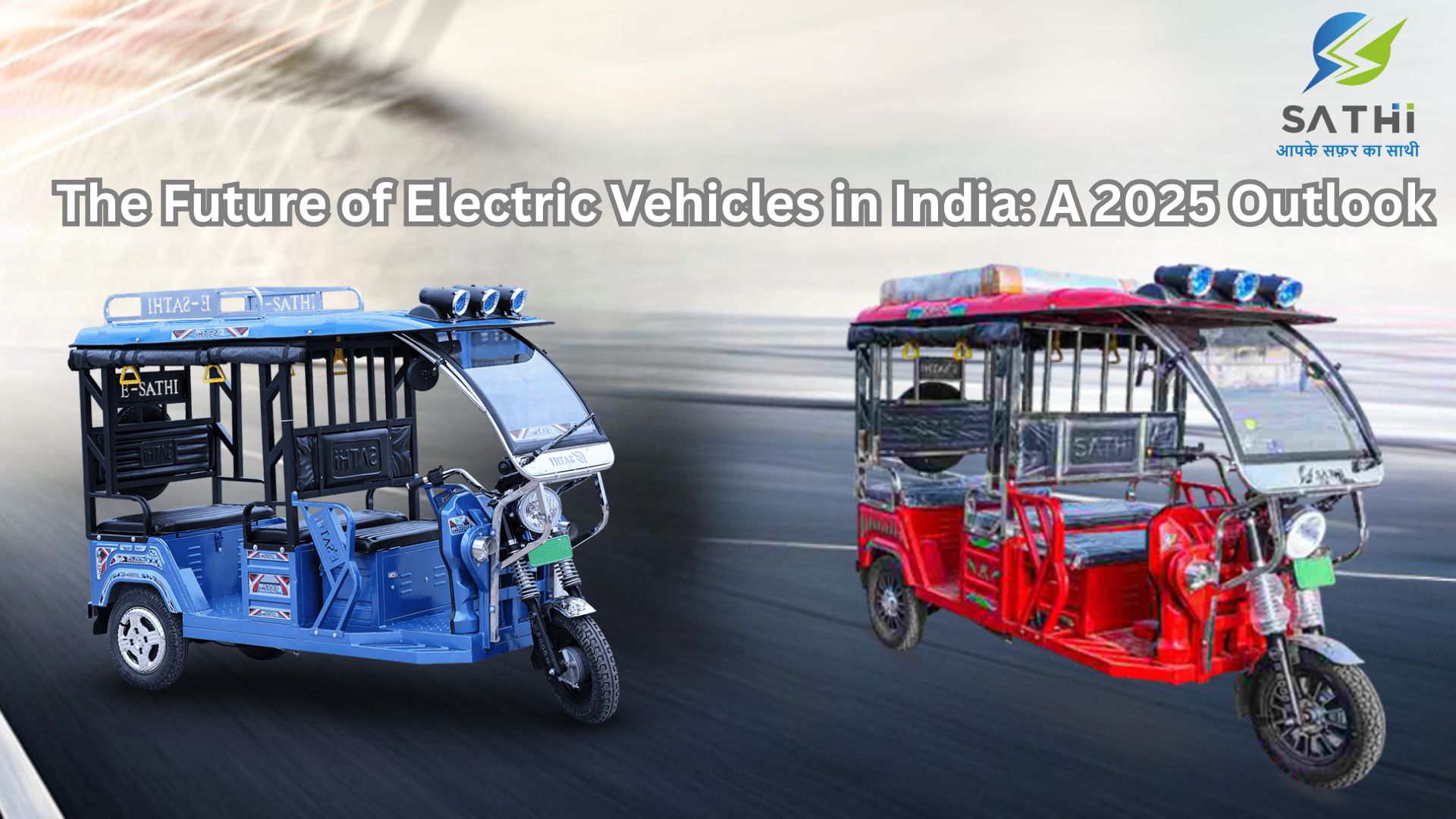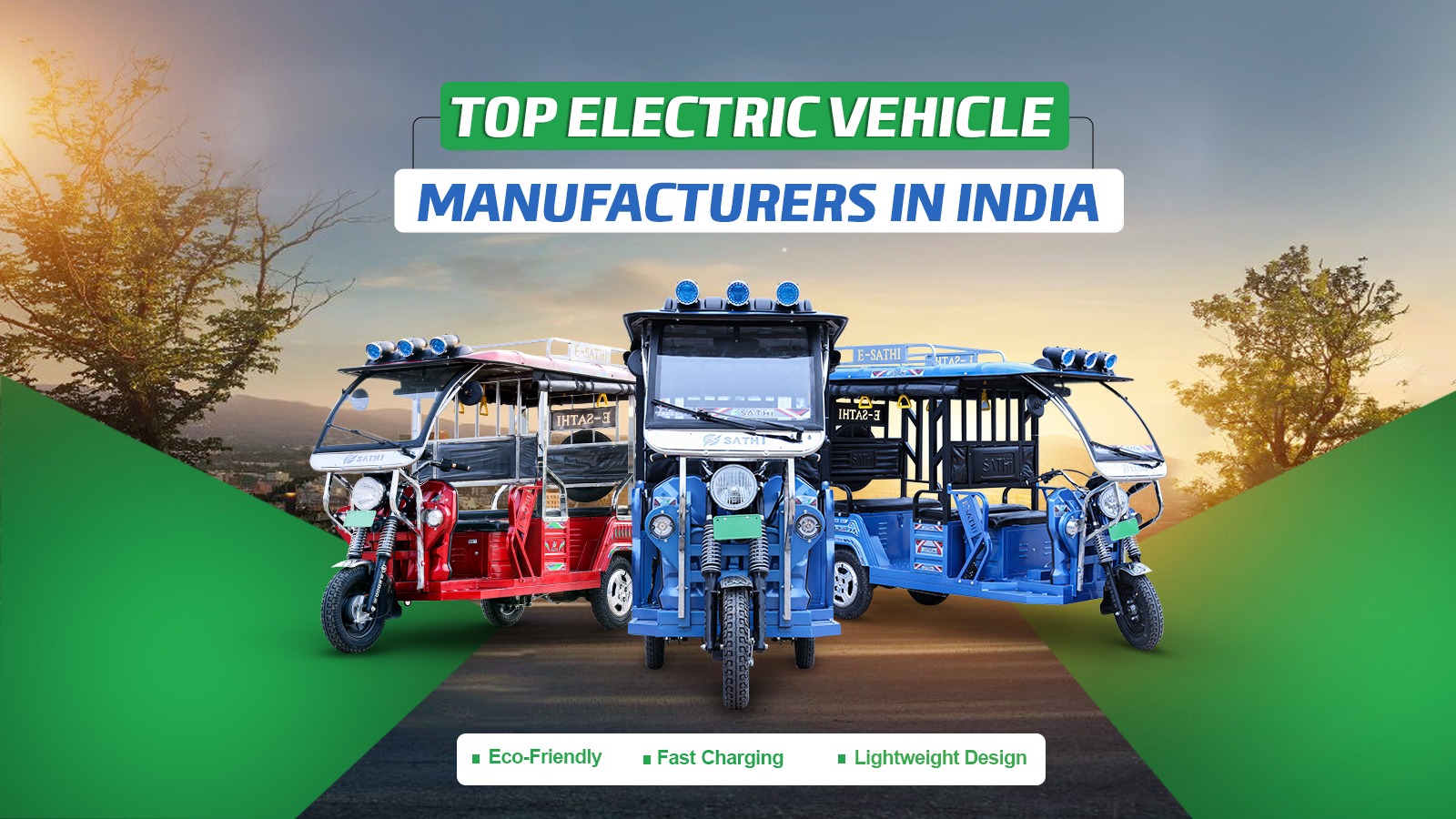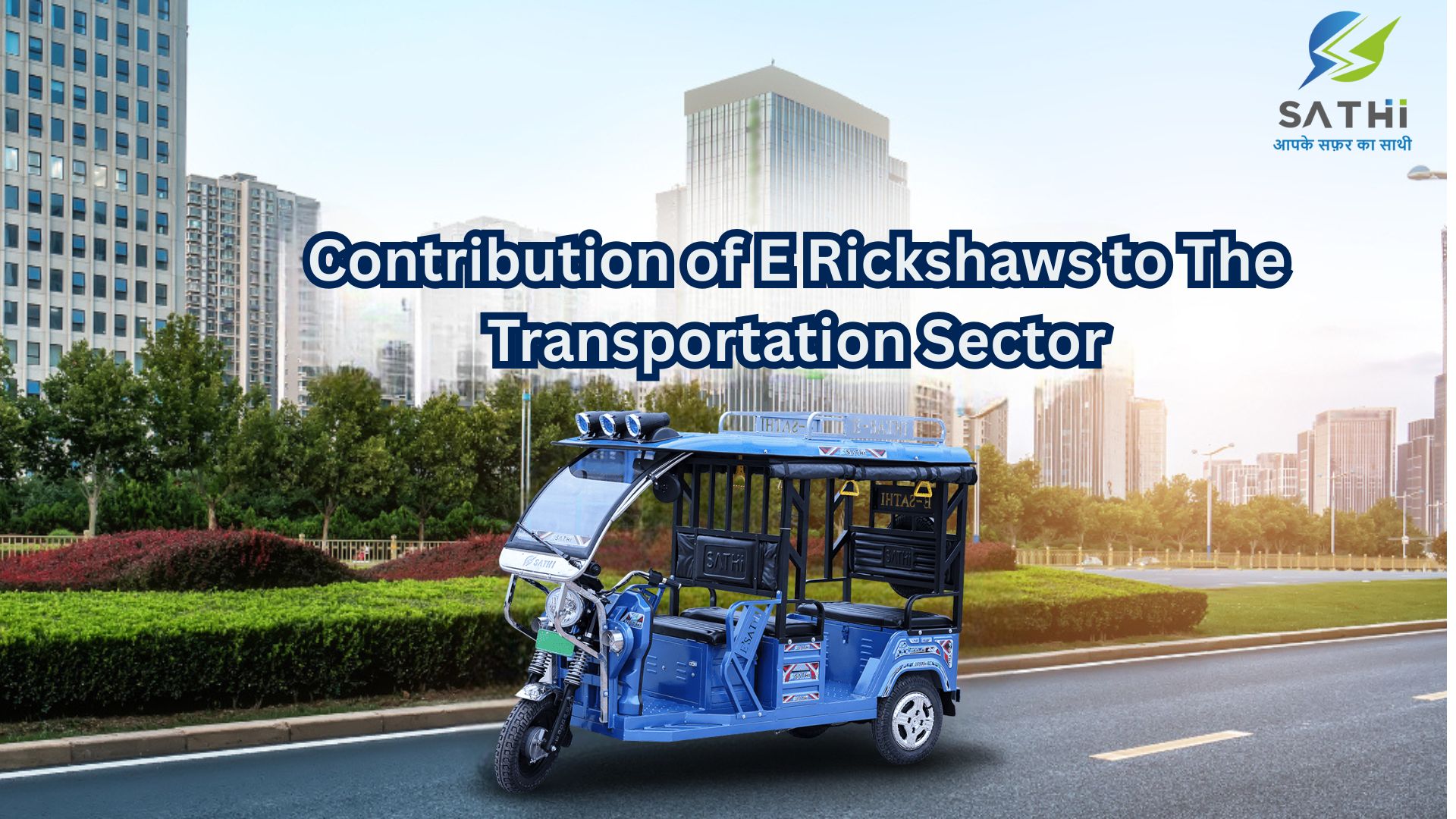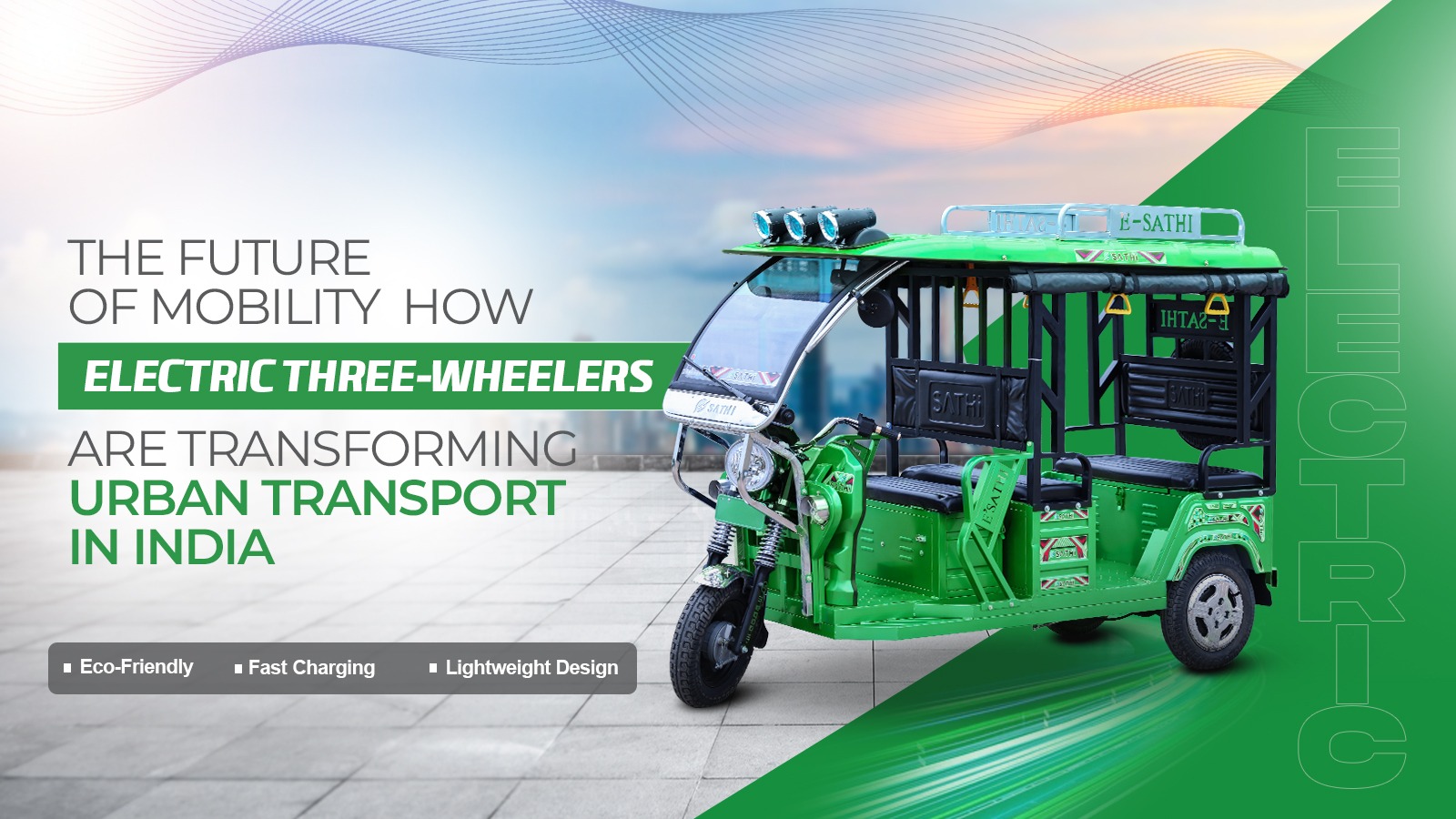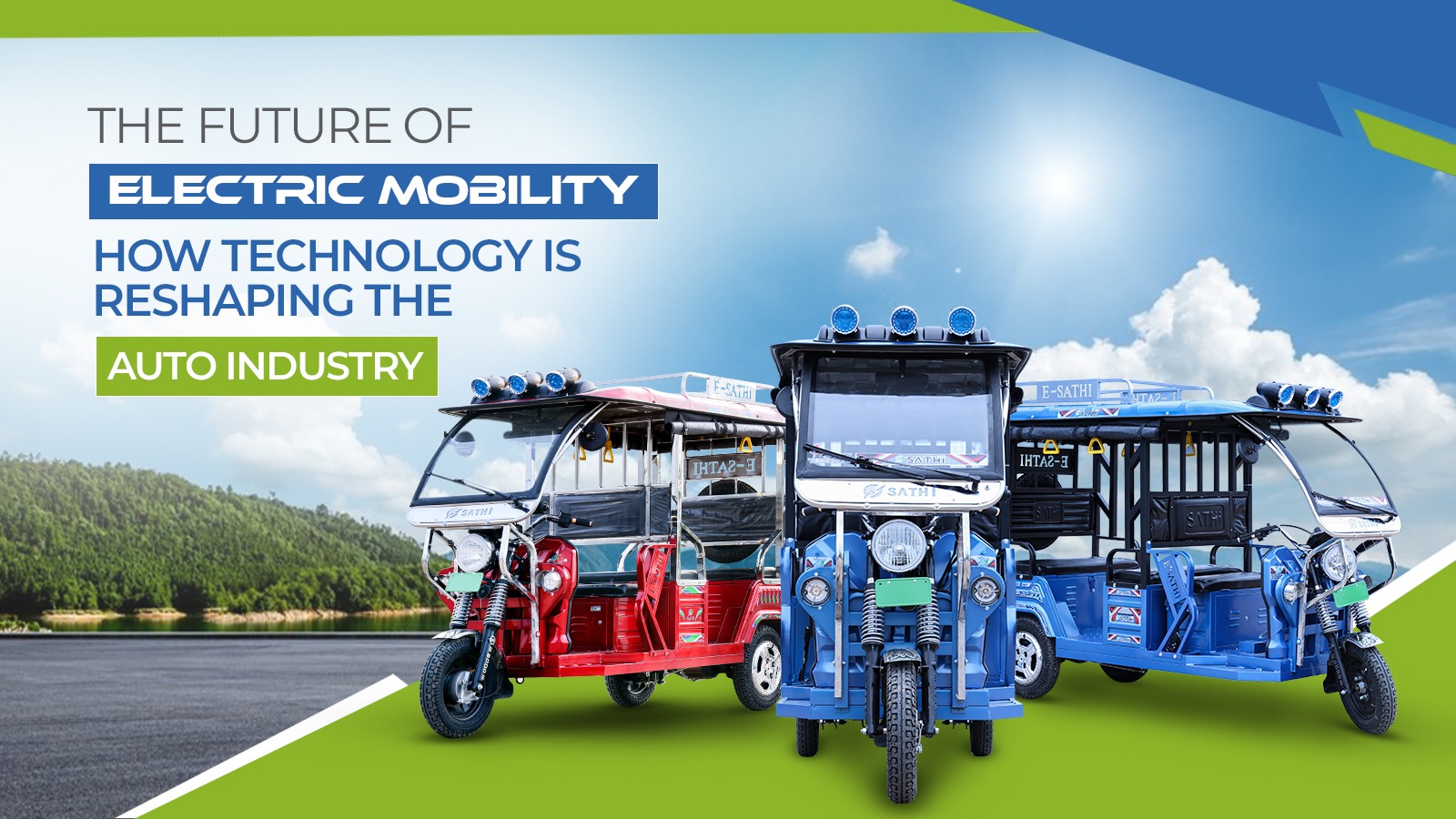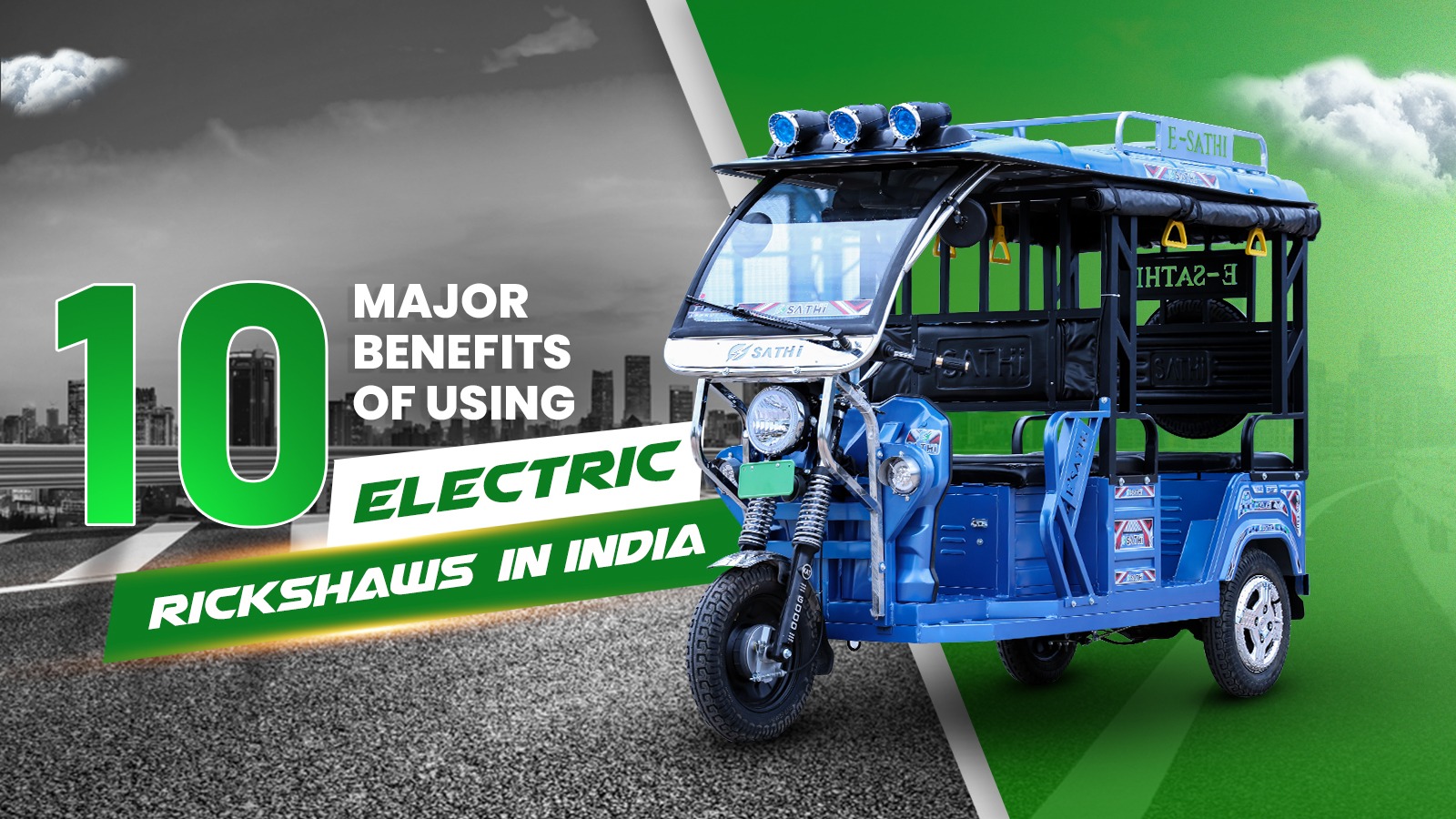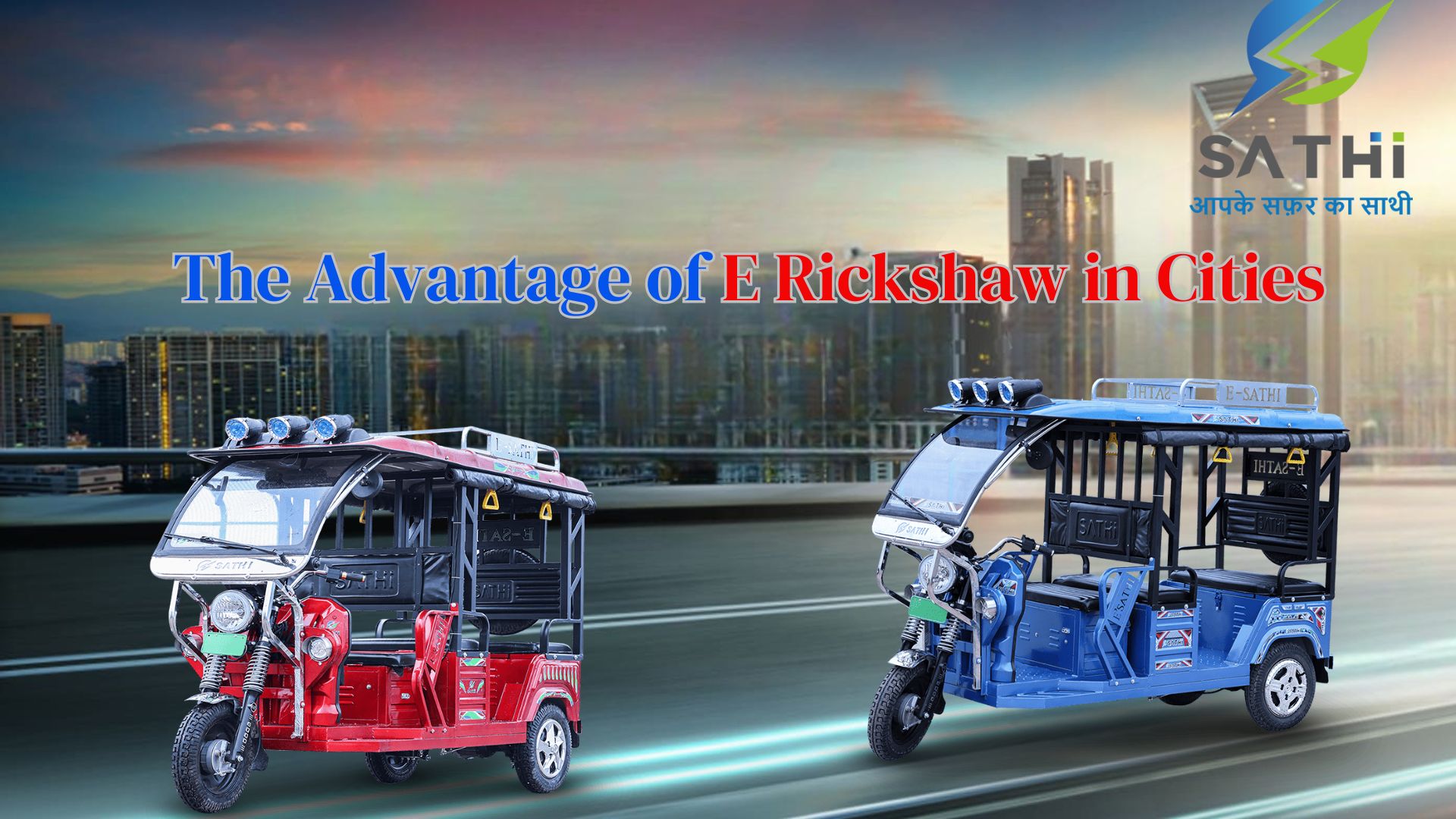

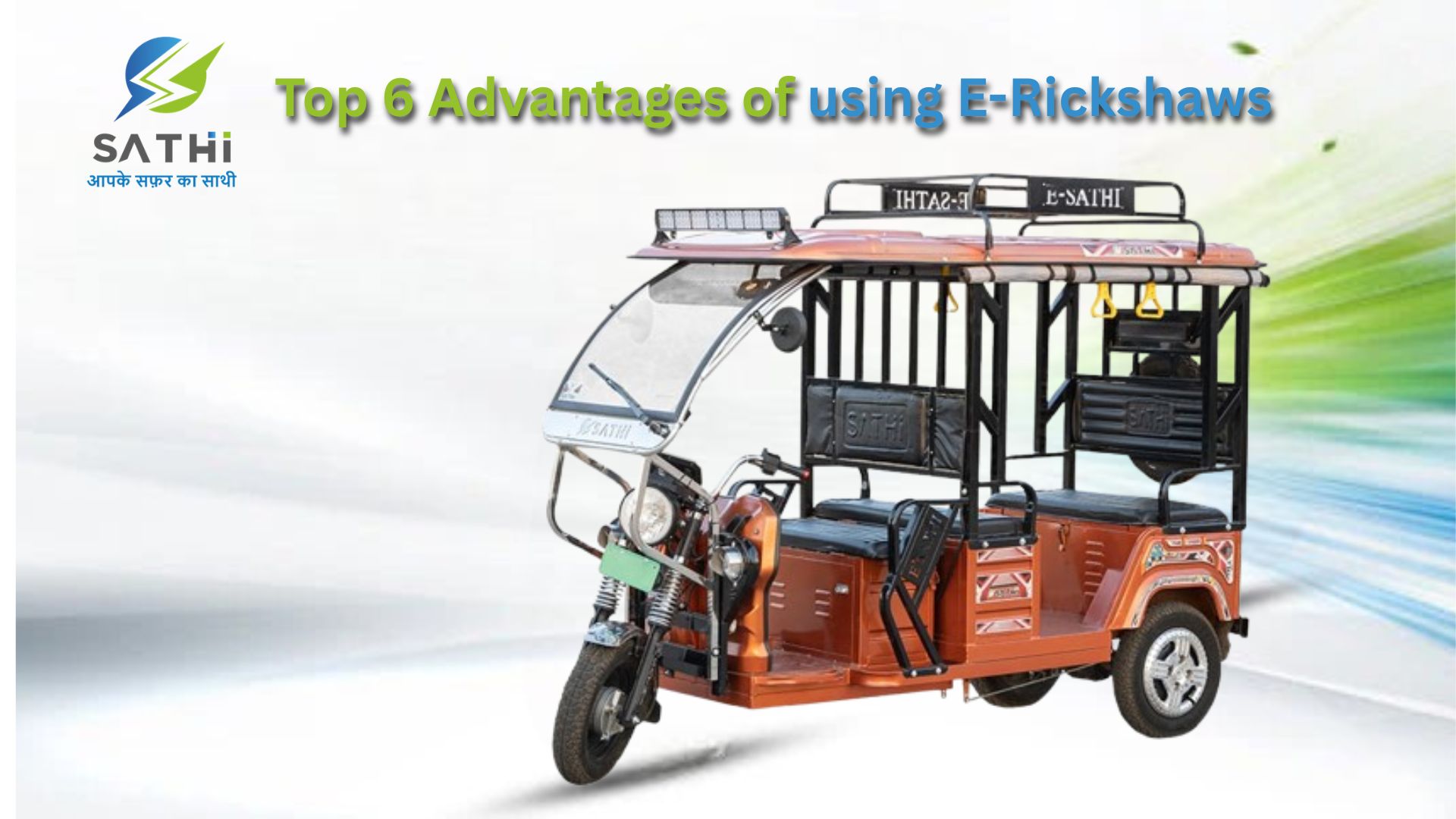
Shared public transportation for short distances is very unique in the Indian subcontinent. Not every developing or developed country has this facility. Other nations have cabs, railway lines, and buses, all of which are either heavy-duty or expensive options. But rickshaws are a prominent part of the traffic in India. In the last decade, a steep rise can be witnessed of battery powered vehicles, in which e-rickshaws have had a major contribution. A wide majority of Indian transport relies on the efficient rickshaws. By switching from fuel-based to battery-powered, the e-rickshaw manufacturers and dealers are reshaping the Indian mobility for short distance travels. It is proving to be a more viable option for the buyers. In this blog, we will explore the top 6 advantages of e-rickshaws.
Less Running Cost Per Km
While the buying cost of electric rickshaws and fuel rickshaws may be comparable, there is a clear contrast between operational costs. Battery powered vehicle have been proven to cost a third of fuel. The only cost that the drivers have to bear is the cost of charging or replacing the batteries. Electricity expenses remain more stable for years, while the fuel costs keep rising.
Environmentally Cleaner
The fact that electric vehicles release zero emissions is one of the biggest advantages of using them. They have no tailpipe through which any harmful, contaminating and toxic gases are released. This eco-friendly nature is why the central government and many state governments announce schemes that encourage dealers and end consumers to opt for this vehicle. Indirectly, they contribute to the better AQI of the region by reducing the number of fuel-based rickshaws.
Quiter Riding
Air pollution is not the only adversity that is fought by e rickshaws, but also noise pollution. As these vehicles have no combustion engine, they do not generate loud noise. There are lesser number of movig parts compared to conventional automobiles. Additionally, the BLDC motor reduces the sound generated by the motor. Therefore, the driving experience is quieter.
Simpler to Operate
It requires simple control and focus to operate the e-rickshaw. Because the electric motor produces torque from the moment it starts, it eliminates the need for a multi-speed gearbox or manual gear shifting. The direct drive system allows the driver to adjust the speed and acceleration easily without having to shift gears.
Versatility
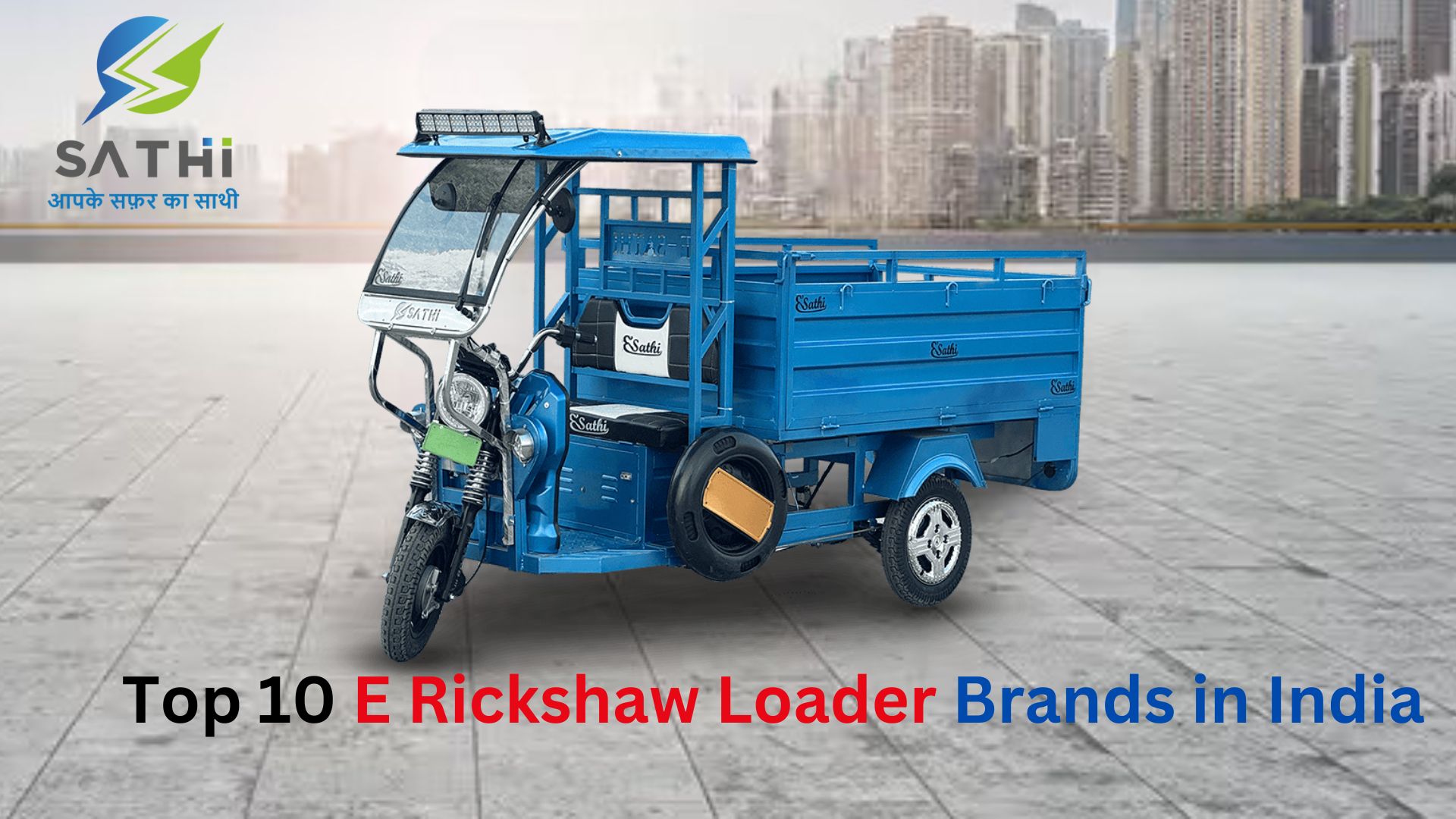
The compact design, easy controls and low noise operations make it a versatile medium. It can be designed for passenger transportation as well as cargo loading. The loaders can be modified as per the loading and unloading requirements. Garbage loaders, open loaders, enclosed loaders, carts, and other designs are used in construction, logistics, event management, resort management and daily garbage picking.
Minimal Maintenance
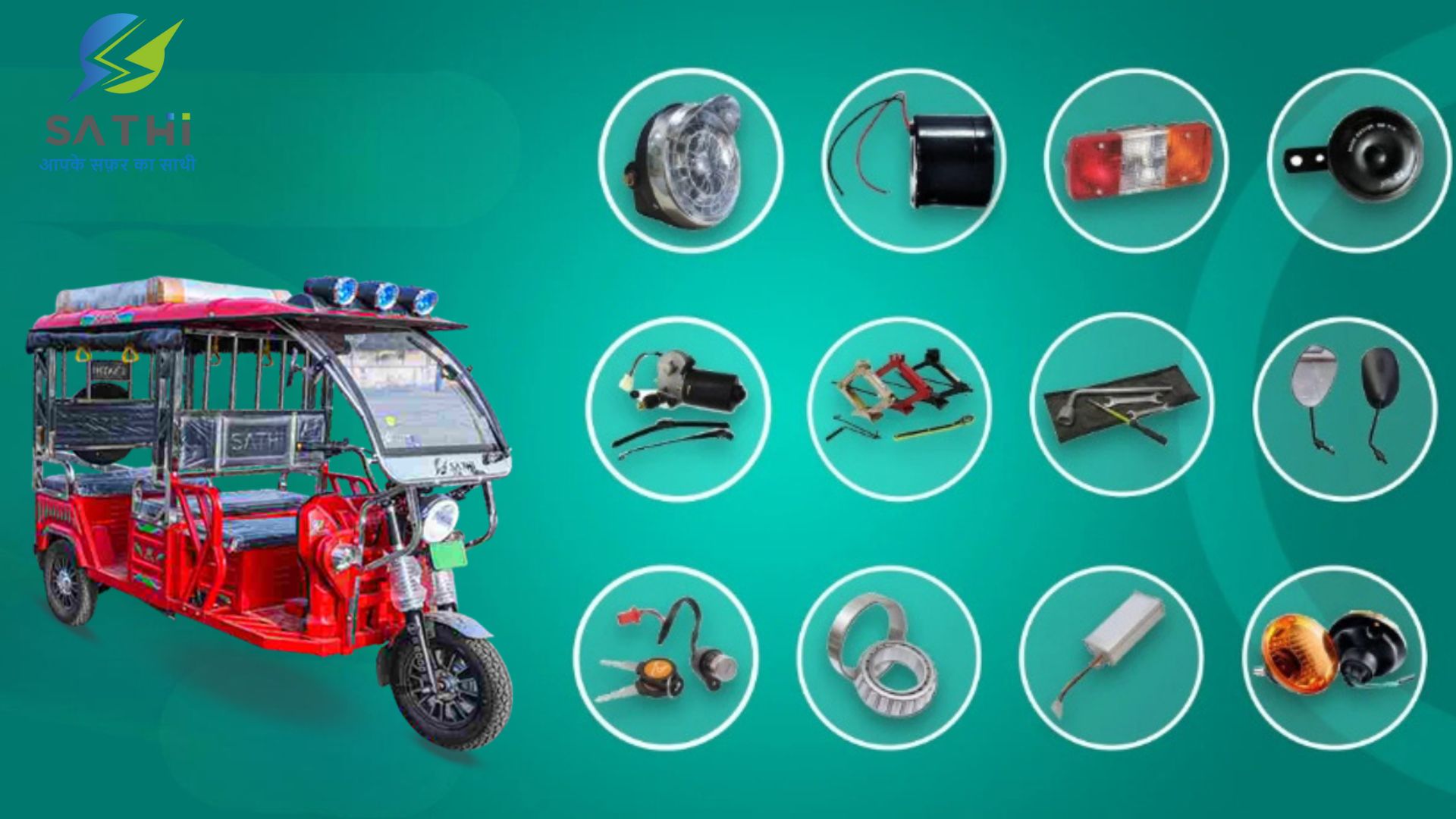
With a simpler mechanism, fewer components and durable parts, the electric rickshaws require less maintenance. There is no engine oil, clutch, or gearbox that needs attention. This results in fewer breakdowns and overall lower servicing costs.
Conclusion
These advantages clearly show why electric rickshaws are proving to be a better option for public transportation within a city. Whether it is about connectivity to the last mile, or saving on fuel costs, their multiple benefits are the reasons why passengers, drivers and fleet owners are all preferring these eco-friendly medium of transport. As the government’s push towards sustainable transportation grows, these vehicles will find more buyers.